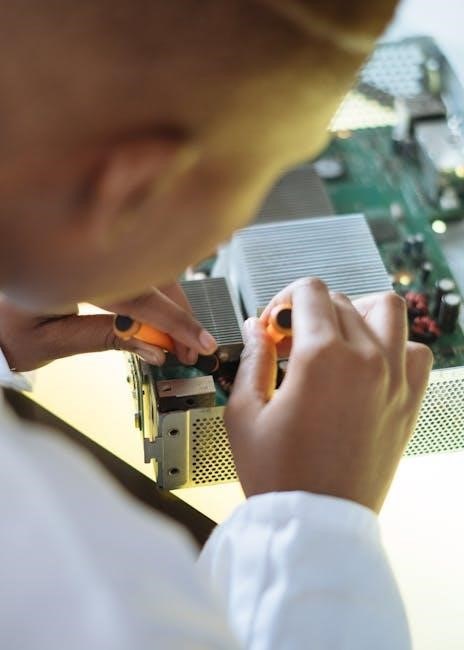
Technical manual translation demands precision, ensuring clarity and compliance with industry-specific regulations for global audiences; localization builds trust․
Effective translation requires linguistic proficiency and deep understanding of specialized terminology across diverse fields like engineering and IT․
The Growing Need for Accurate Technical Documentation
The demand for precise technical documentation is surging globally, driven by increased international trade, complex product development, and stringent safety standards․ Companies expanding into new markets must provide manuals in local languages to ensure proper product use and mitigate potential risks․
Inaccurate translations can lead to equipment malfunction, safety hazards, and costly recalls, damaging brand reputation and incurring legal liabilities․ Effective communication isn’t simply about linguistic correctness; it’s about conveying a concise message that resonates with the target audience․
Localization transforms a correct translation into an effective one, fostering trust and understanding․ As technology advances and products become more sophisticated, the need for clear, culturally appropriate technical documentation will only intensify, making accurate translation a critical business imperative․
Scope of Technical Manuals – Industries Served
Technical manual translation spans a remarkably diverse range of industries, each with unique requirements and terminology․ Engineering and manufacturing rely heavily on precise documentation for assembly, operation, and maintenance of complex machinery․ The medical device sector demands meticulous translation to ensure patient safety and regulatory compliance․
IT and software localization requires adapting user interfaces, help files, and technical specifications for different linguistic and cultural contexts․ Scientific documentation, including research papers and laboratory protocols, necessitates accuracy and consistency․
Furthermore, patent translation is crucial for protecting intellectual property rights internationally․ Essentially, any industry producing complex products or services requiring detailed instructions benefits from professional technical translation, highlighting its broad and vital scope․

Key Challenges in Technical Translation
Technical translation presents unique hurdles, including complex terminology, maintaining consistency across large documents, and accurately conveying visual information like diagrams and schematics․
Complexity of Terminology
Navigating the intricacies of specialized terminology is a core challenge in technical manual translation․ Unlike general translation, technical fields – be it engineering, medicine, or IT – possess highly specific vocabularies․ A translator must demonstrate proficiency in both the source and target languages and possess a thorough grasp of these concepts․
Simply finding equivalent words isn’t enough; understanding the nuanced meaning within the specific context is crucial․ A term might have multiple translations, but only one accurately reflects its technical function․ This necessitates careful research, utilizing glossaries, and potentially consulting with subject matter experts to guarantee precision and avoid misinterpretations that could impact safety or functionality․
Inconsistent terminology can lead to confusion and errors, highlighting the need for robust terminology management systems․
Maintaining Consistency Across Documents
Consistency is paramount in technical manual translation, extending beyond individual documents to encompass entire product lines and related materials․ Variations in terminology, style, or formatting can create confusion for users and undermine the credibility of the documentation․ This challenge is amplified when multiple translators are involved in a large project․
To address this, leveraging translation memories (TMs) is essential․ TMs store previously translated segments, ensuring identical phrases are translated the same way each time․ Coupled with detailed style guides, TMs enforce uniformity․ Furthermore, centralized terminology management – utilizing glossaries – guarantees consistent use of key terms․
Regular quality checks and review processes are vital to identify and rectify inconsistencies before publication, safeguarding accuracy and user experience․
Dealing with Visual Elements and Diagrams
Technical manuals heavily rely on visual elements – diagrams, illustrations, screenshots – to convey complex information․ Translating these isn’t simply about words; it requires adapting text within visuals for the target language and culture․ This includes ensuring text flows correctly within the design, doesn’t overlap elements, and maintains readability after resizing․
Often, visuals need localization beyond text․ Measurements might require conversion (metric to imperial), symbols may have different meanings, and cultural appropriateness must be considered․ Extracting text from images for translation, then re-inserting it seamlessly, is a common workflow․
Careful attention to detail and collaboration between translators and graphic designers are crucial to avoid visual distortions and maintain the clarity of the original intent․

Best Practices for Technical Manual Translation – Pre-Translation Phase
Prior preparation is key: detailed briefings, style guides, and thorough source text analysis identify potential issues, ensuring a smooth and accurate translation process․
Detailed Briefing and Style Guide Creation
A comprehensive briefing is foundational for successful technical translation․ It must clearly define the target audience, the document’s purpose, and any specific terminology preferences․ This ensures the translation resonates with the intended users and maintains brand consistency․
Alongside the briefing, a robust style guide is crucial․ This document outlines preferred writing styles, formatting requirements, and tone of voice․ It addresses aspects like capitalization, punctuation, and the use of abbreviations․
The style guide ensures uniformity across the entire project, especially when multiple translators are involved․ It also helps to avoid ambiguity and maintain a professional, polished final product․ A detailed brief ensures the translation is understandable to its intended audience and compliant․
Terminology Management – Glossaries and Translation Memories
Effective terminology management is paramount in technical translation․ Creating a dedicated glossary of key terms ensures consistent usage throughout the document, preventing confusion and maintaining accuracy․ This glossary should be collaboratively developed with subject matter experts․
Translation memories (TMs) are invaluable assets․ They store previously translated segments, allowing for reuse and reducing translation time and costs․ TMs also contribute to consistency by ensuring identical phrases are translated the same way each time․
Integrating TMs with glossaries further enhances quality․ When a glossary term is encountered, the TM automatically suggests the approved translation․ This combination streamlines the process and guarantees accurate, consistent terminology across all translated materials․
Source Text Analysis – Identifying Potential Issues
Thorough source text analysis is a crucial pre-translation step․ Identifying potential ambiguities, inconsistencies, or overly complex phrasing before translation saves time and prevents errors․ Look for jargon, undefined acronyms, and culturally specific references that may require adaptation․
Assess the text’s clarity and conciseness․ If the original is poorly written, the translation will likely inherit those flaws․ Flag sections needing clarification with the author․ Complex sentence structures should be simplified for better readability in the target language․
Consider visual elements and their integration with the text․ Ensure all diagrams, illustrations, and callouts are clearly referenced and understandable․ This proactive approach guarantees a smoother, more accurate translation process․

Best Practices for Technical Manual Translation – Translation Phase
Prioritize active voice for clarity and directness, ensuring the translated manual is easily understood by the target audience, fostering trust and usability;
Utilizing Active Voice for Clarity
Employing active voice is a cornerstone of effective technical manual translation, significantly enhancing readability and comprehension for the end-user․ Unlike passive constructions, active voice directly states who performs an action, creating a stronger and clearer grammatical structure․
This approach minimizes ambiguity, a critical factor when dealing with complex technical procedures or safety instructions․ Readers can more easily grasp the intended meaning when the subject is actively performing the verb․
Furthermore, active voice often results in more concise phrasing, reducing unnecessary wordiness and streamlining the translated text․ It’s a best practice that transforms a technically correct translation into one that is truly effective and user-friendly, fostering trust and minimizing potential errors due to misinterpretation․
Ensuring Compliance with Local Regulations
Technical documentation frequently must adhere to specific engineering or safety regulations varying by country or region․ A translator’s role extends beyond linguistic accuracy to verifying and incorporating these localized requirements into the translated manual․
This includes understanding and adapting content to meet local standards, certifications, and legal frameworks․ Failure to comply can lead to product liability issues, delays in market entry, or even rejection by regulatory bodies․
Effective technical translation, therefore, necessitates a thorough awareness of the target market’s legal landscape․ It’s about ensuring the document isn’t merely a copy, but a native, compliant resource that builds trust with users and demonstrates respect for local laws․
Maintaining a Native Tone and Feel – Localization
Localization transcends simple translation; it’s about adapting the technical manual to resonate with the target audience’s cultural nuances and expectations․ This involves more than just language – it encompasses formatting, units of measurement, and even imagery․
A truly localized manual doesn’t feel translated․ It reads as if it were originally written for that specific market, fostering trust and enhancing usability․ This requires translators to possess not only linguistic expertise but also cultural sensitivity․
The goal is to create a document that’s not just correct, but effective – one that readers readily understand and confidently utilize․ Localization transforms a technically accurate translation into a valuable, user-friendly resource․
The Importance of Subject Matter Expertise
Technical translation isn’t merely a linguistic exercise; it demands a profound understanding of the subject matter․ Translators must grasp the intricacies of the technology, processes, or concepts described in the manual․
Proficiency in both source and target languages is crucial, but insufficient without specialized knowledge․ A translator unfamiliar with engineering principles, for example, may misinterpret technical specifications, leading to inaccuracies․
This expertise ensures accurate terminology usage and prevents the introduction of errors that could compromise safety or functionality․ Subject matter expertise guarantees the translated manual conveys the intended meaning with precision and clarity, vital for complex technical documentation․

Quality Assurance and Post-Translation Processes
Rigorous review by a second translator and subject matter experts is essential for accuracy and usability; localization testing confirms a native feel․
Review by a Second Translator (Proofreading)
A second pair of eyes is invaluable in technical translation, going beyond simple error detection to ensure clarity and consistency․ This isn’t merely about catching typos; it’s a comprehensive review of the translated text against the source material․
The proofreader, ideally a skilled linguist with technical aptitude, verifies terminology accuracy, grammatical correctness, and stylistic appropriateness․ They confirm that the translation adheres to the established style guide and maintains a natural, fluent tone in the target language․
Crucially, this stage identifies potential ambiguities or misinterpretations that the original translator might have overlooked․ It’s a vital step in guaranteeing a high-quality, reliable translation that effectively conveys the intended message to the end-user, building trust and avoiding costly misunderstandings․
Technical Review by Subject Matter Experts
Beyond linguistic accuracy, technical correctness is paramount․ A review by subject matter experts (SMEs) validates the translation’s technical soundness, ensuring it accurately reflects the original intent and functions correctly within its intended application․
SMEs, possessing deep knowledge of the specific field – engineering, medicine, IT, etc․ – assess the translated documentation for technical feasibility and adherence to industry standards․ They identify any inaccuracies or inconsistencies in terminology, procedures, or specifications․
This review isn’t about language; it’s about understanding․ SMEs confirm that the translated manual is not only readable but also usable and safe for its intended audience, preventing potential errors or hazards arising from misinterpretation of technical details․ It’s a critical quality control step․
Localization Testing – Ensuring Usability
Localization testing transcends simple translation; it verifies the manual’s functionality and user experience within the target locale․ This crucial step confirms that the translated document isn’t just understandable, but also seamlessly integrates with the user’s cultural and technical environment․
Testing encompasses verifying date/time formats, currency symbols, measurement units, and even the correct display of visual elements like diagrams and icons․ It ensures that the manual feels native and intuitive, avoiding confusion or frustration for the end-user․
Effective localization testing simulates real-world usage scenarios, identifying potential usability issues that might arise from cultural nuances or technical incompatibilities․ It’s about transforming a correct translation into an effective one, building trust and ensuring user satisfaction․
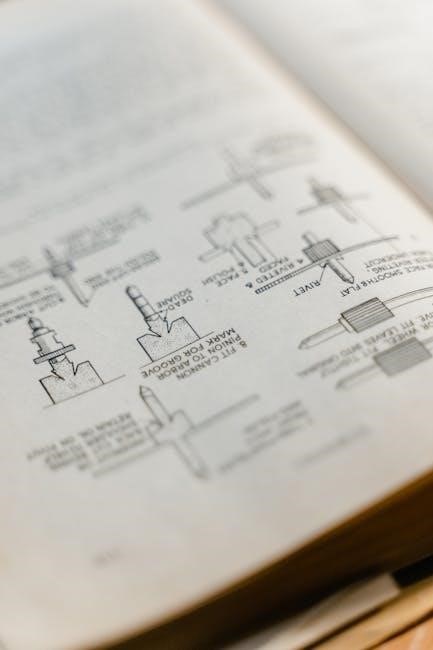
Tools and Technologies for Technical Translation

CAT tools, TMS, and MT streamline workflows, enhance consistency, and improve efficiency in technical translation, aiding translators with terminology and memories․
Computer-Assisted Translation (CAT) Tools
CAT tools are essential for modern technical manual translation, functioning as software that supports translators rather than replacing them․ These tools don’t perform automatic translation; instead, they leverage translation memories (TMs) – databases storing previously translated segments – to suggest matches and ensure consistency․
This significantly reduces repetition, speeds up the process, and lowers costs․ CAT tools also facilitate terminology management, allowing translators to create and utilize glossaries to maintain accurate and uniform terminology throughout large technical documents․ Features like concordance search help identify how specific terms have been translated previously․
Popular CAT tools include SDL Trados Studio, memoQ, and Wordfast․ They integrate seamlessly with various file formats commonly used in technical documentation, enhancing productivity and quality control․
Translation Management Systems (TMS)
Translation Management Systems (TMS) represent a step beyond CAT tools, offering a centralized platform for managing the entire technical manual translation workflow․ TMS solutions streamline project initiation, vendor assignment, translation progress tracking, and quality assurance processes․
They facilitate collaboration between translators, reviewers, and project managers, ensuring efficient communication and timely delivery․ TMS often integrate with CAT tools, leveraging existing translation memories and terminology databases․ Key features include automated workflow routing, real-time reporting, and secure file sharing;
Popular TMS options include XTM International, Smartling, and Phrase․ These systems are particularly valuable for organizations handling large volumes of technical documentation across multiple languages and teams, improving overall efficiency and control․
Machine Translation (MT) and Post-Editing
Machine Translation (MT) has rapidly evolved, offering a potential solution for accelerating technical manual translation, though it’s rarely sufficient on its own․ While MT engines can quickly generate initial drafts, the output often lacks the nuance and accuracy required for complex technical content․
Therefore, post-editing – a crucial step – involves human translators reviewing and refining the MT output․ This process corrects errors, ensures terminology consistency, and improves overall readability․ Post-editing is significantly faster and more cost-effective than translating from scratch․
Successful MT implementation requires careful engine selection, training with relevant data, and skilled post-editors with subject matter expertise․ It’s best suited for repetitive content or when speed is paramount, always prioritizing quality control․

Specific Considerations for Different Technical Fields
Technical fields—engineering, medical, IT—each demand specialized knowledge; translators must grasp unique terminology and concepts for accurate, compliant documentation․
Engineering and Manufacturing Manuals
Engineering and manufacturing manuals present unique translation challenges due to their highly technical nature and critical safety implications․ Accuracy isn’t merely preferred; it’s paramount․ Translators must possess a robust understanding of engineering principles, materials science, and manufacturing processes to effectively convey complex information․
Compliance with local engineering and safety regulations is crucial․ A direct translation often falls short, necessitating localization to align with the target market’s standards․ This includes adapting units of measurement, technical specifications, and warning labels․ The goal is to ensure the translated manual feels native and trustworthy, not a foreign copy․
Detailed glossaries and translation memories are essential for maintaining consistency across large documentation sets․ Subject matter expert review is also vital to validate the technical accuracy of the translated content, preventing potentially hazardous misunderstandings․
Medical Device Documentation Translation
Medical device documentation translation demands the highest levels of accuracy and regulatory compliance․ Errors can have life-threatening consequences, making meticulous attention to detail non-negotiable․ Translators require specialized knowledge of medical terminology, anatomy, and physiology, alongside a thorough understanding of international standards like ISO 13485 and FDA regulations․
Localization extends beyond linguistic adaptation; it encompasses cultural sensitivity and adherence to local healthcare practices․ Instructions for use, safety warnings, and clinical trial reports must be flawlessly translated and adapted to resonate with the target audience․
Rigorous quality assurance processes, including review by medical professionals and linguistic validation, are essential; Maintaining consistency through terminology management and utilizing translation memories are also critical for ensuring accuracy and efficiency․
IT and Software Localization
IT and software localization extends far beyond simple translation; it’s a complex process adapting software, user interfaces, and accompanying documentation for specific regional markets; This includes not only translating text but also adjusting date/time formats, currency symbols, and cultural preferences․
Technical translators specializing in IT must possess a strong understanding of programming concepts, software architecture, and industry-specific terminology․ They need to handle various file formats and work closely with software engineers to ensure seamless integration of translated content․
String externalization, pseudo-localization testing, and linguistic quality assurance are vital steps․ Maintaining consistency across the entire software ecosystem – including help files, online documentation, and marketing materials – is paramount for a positive user experience․

Future Trends in Technical Manual Translation
AI and continuous localization are reshaping the field, demanding ongoing updates and multilingual content creation for a dynamic global market․
The Rise of Artificial Intelligence (AI)
Artificial Intelligence (AI) is rapidly transforming technical manual translation, moving beyond simple machine translation (MT) to more sophisticated applications․ While MT initially provided a quick, cost-effective solution, its output often lacked the nuance and accuracy required for complex technical documentation․
However, advancements in Neural Machine Translation (NMT) and AI-powered post-editing tools are significantly improving quality․ These tools assist human translators by suggesting corrections, identifying inconsistencies, and automating repetitive tasks, boosting efficiency and reducing turnaround times․
AI is also being utilized for terminology management, automatically identifying and suggesting appropriate terms based on context․ The future likely holds even greater integration of AI, potentially including automated quality assurance checks and adaptive learning systems that improve translation accuracy over time․ Despite these advances, human oversight remains crucial to ensure accuracy, cultural appropriateness, and a native tone․
Continuous Localization and Updates
Continuous localization and updates are becoming essential in technical manual translation due to rapid product iterations and evolving regulations․ Traditional “one-off” translation projects are insufficient for maintaining globally relevant documentation․ Modern businesses require a dynamic approach, adapting content in real-time to reflect changes in the source material․
This necessitates integrating translation workflows with product development cycles, enabling swift updates to multilingual manuals; Translation Management Systems (TMS) facilitate this process, allowing for efficient content reuse and streamlined updates across languages․
Furthermore, ongoing monitoring of user feedback and regulatory changes is vital․ Proactive updates ensure accuracy, usability, and compliance, fostering trust and minimizing potential risks․ This continuous cycle of translation, review, and update is crucial for maintaining a competitive edge in the global marketplace․
Increased Demand for Multilingual Content
The demand for multilingual content in technical manual translation is surging, driven by globalization and expanding international markets․ Companies are increasingly recognizing the necessity of providing documentation in the languages of their target audiences to facilitate product adoption and ensure user safety․ This isn’t merely about translation; it’s about effective communication․
Expanding into new territories requires localized manuals that resonate with local engineering standards and cultural nuances․ Ignoring this need can lead to misunderstandings, operational errors, and even legal liabilities․
Consequently, businesses are investing in robust translation processes and technologies, including Computer-Assisted Translation (CAT) tools and Translation Management Systems (TMS), to efficiently manage the growing volume of multilingual technical documentation․ This trend underscores the critical role of technical translation in global business success․

No Responses