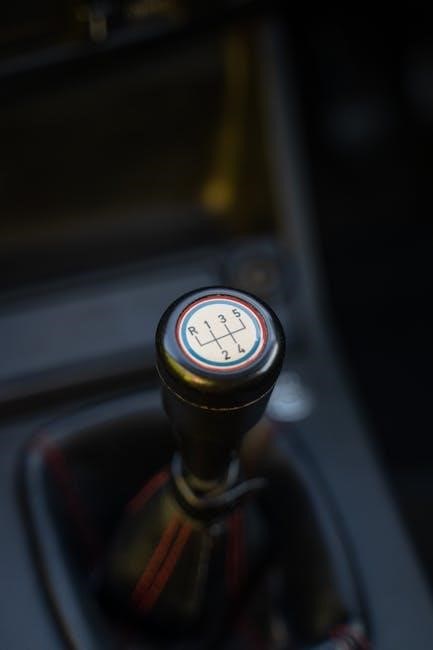
The 3rd generation 4Runner (1996-2002) offered a robust manual transmission option‚ prized for its durability and driver control. Owners frequently discuss fluid maintenance and potential issues.
Overview of the 3rd Generation 4Runner (1996-2002)
The 1996-2002 Toyota 4Runner‚ the third generation‚ marked a significant evolution from its pickup truck roots‚ becoming a more refined and family-oriented SUV. Built upon the Hilux chassis‚ it retained exceptional off-road capability while enhancing on-road comfort. This generation introduced fully independent front suspension‚ improving ride quality.
Available with various engine options‚ including the 2.7L and 3.4L V6‚ the 4Runner also offered a desirable 5-speed manual transmission‚ appealing to enthusiasts. Its body-on-frame construction contributed to its legendary durability‚ making it a popular choice for overlanding and adventurous lifestyles.
Focus on the Manual Transmission Option
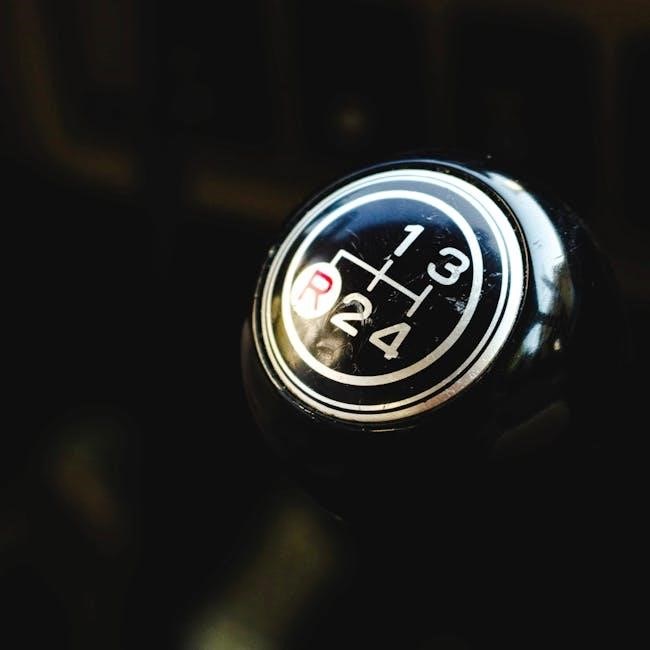
The 5-speed manual transmission in the 3rd gen 4Runner is highly regarded for its robustness and direct connection to the engine. It provides drivers with greater control‚ particularly beneficial during off-road excursions and challenging terrains. While less common than the automatic variant‚ the manual version holds a strong following among enthusiasts.
Common discussions revolve around proper fluid maintenance‚ identifying potential issues like synchro wear‚ and the benefits of proactive fluid changes to prevent costly repairs. It’s a sought-after feature for those prioritizing driver engagement.
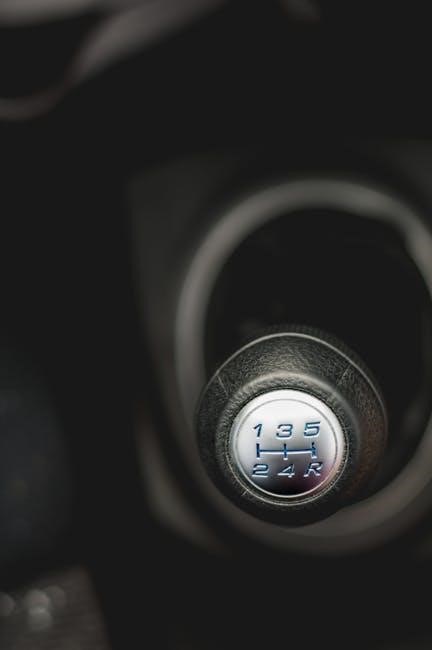
Common Transmission Problems in 3rd Gen 4Runners
3rd gen 4Runners with manual transmissions can experience gear and shifting issues‚ difficulty engaging gears‚ and unusual noises—often linked to fluid or clutch wear.
Gear and Shifting Issues
Owners of 3rd generation 4Runners equipped with manual transmissions frequently report encountering difficulties with gear engagement and smooth shifting. These problems manifest as a general resistance when attempting to select a gear‚ or a grinding sensation‚ particularly when shifting into first or reverse. Contributing factors can include low transmission fluid levels‚ internal wear within the gearbox‚ or a failing clutch system. Identifying the root cause requires careful diagnosis‚ often starting with a thorough inspection of the transmission fluid for contamination – a “pink milkshake” appearance indicates coolant mixing‚ a serious concern.
Difficulty Shifting into Gear
A common complaint among 3rd Gen 4Runner manual transmission owners is experiencing notable difficulty when attempting to shift into specific gears. This often presents as a stiff or notchy feel‚ requiring excessive force to engage the desired gear. Potential causes range from simple issues like low or degraded transmission fluid to more complex problems such as worn synchronizers or damaged shift forks. Before considering major repairs‚ multiple drain and fills with fresh fluid are recommended to rule out fluid-related issues‚ costing around $18 per gallon.
Unusual Noises During Shifting
Hearing grinding‚ whining‚ or clicking sounds while shifting gears in your 3rd Gen 4Runner’s manual transmission is a significant warning sign. These noises often indicate internal wear or damage. Worn synchronizers are a frequent culprit‚ struggling to match gear speeds during shifts. Other possibilities include bearing failures or damaged gear teeth. Investigating promptly is crucial; begin with a fluid check and drain/fill to assess if fluid quality is contributing to the issue before pursuing more extensive diagnostics.
Transmission Fluid: The Lifeblood of Your Manual Transmission
Maintaining proper transmission fluid levels and condition is paramount for a healthy 3rd Gen 4Runner manual transmission‚ preventing costly damage and ensuring smooth operation.
Importance of Regular Fluid Checks
Consistent transmission fluid checks are crucial for identifying potential problems early. Monitoring fluid levels helps prevent damage from insufficient lubrication‚ while observing its condition reveals contamination or wear. Addressing issues promptly can save significant repair costs. Regularly inspecting for the dreaded “pink milkshake” – coolant mixing with the transmission fluid – is vital‚ as it indicates a serious internal leak. Proactive checks contribute to the longevity and reliable performance of your 3rd Gen 4Runner’s manual transmission.
Identifying Contaminated Transmission Fluid (“Pink Milkshake”)
The term “pink milkshake” refers to transmission fluid contaminated by coolant‚ a critical warning sign in 3rd Gen 4Runners. This alarming color indicates an internal leak‚ often from a failing radiator or heater core. Ignoring this issue leads to severe transmission damage. Regularly check your fluid; a healthy transmission fluid is typically amber or light brown. Any pinkish hue demands immediate attention and investigation to prevent costly repairs or a complete transmission failure.
Recommended Transmission Fluid Type and Grade
For the 3rd Gen 4Runner manual transmission‚ Toyota recommends using a genuine Toyota fluid or a high-quality GL-4 rated 75W-90 gear oil. Avoid GL-5 fluids‚ as they can cause corrosion in the synchronizers. Many owners successfully use Valvoline or Mobil 1 synthetic options meeting the GL-4 specification. Using the correct fluid is crucial for smooth shifting and longevity‚ preventing premature wear and ensuring optimal performance of your transmission components.
Transmission Fluid Change Procedure – Drain and Fill Method
The drain and fill method involves removing the drain plug‚ allowing the old fluid to drain completely‚ and then refilling with the recommended fluid. Repeat this process several times (4-5 is suggested) to thoroughly flush the system. This is preferable to a full removal of the transmission. Ensure the vehicle is level and warm before starting‚ and properly dispose of the used fluid. Approximately 8 gallons will be needed for a complete exchange.
Frequency of Fluid Changes
A definitive schedule isn’t fixed‚ but proactive fluid changes are crucial for 3rd gen 4Runner manual transmissions. Given potential issues like “pink milkshake” contamination‚ consider initial frequent drain and fills – every 30‚000 miles for the first few cycles. Afterwards‚ extending intervals to 60‚000-90‚000 miles‚ contingent on driving conditions and fluid inspection‚ is advisable. Regular checks are vital for longevity.
Quantity of Fluid Required (Approximately 8 Gallons)
Performing a full drain and fill on a 3rd gen 4Runner manual transmission typically requires around 8 gallons of the correct fluid type. It’s wise to purchase slightly more – perhaps 9-10 gallons – to account for potential loss during the process and ensure complete flushing. Remember‚ unused fluid can often be returned to retailers like Walmart‚ minimizing waste and cost.
Clutch System Issues
Common problems include a spongy pedal feel‚ worn clutch discs causing slippage‚ and failures within the master or slave cylinders impacting smooth gear changes.
Clutch Pedal Feel and Adjustment
A proper clutch pedal feel is crucial for smooth shifting in your 3rd Gen 4Runner. Issues like a spongy or excessively soft pedal often indicate air within the hydraulic system‚ requiring bleeding. Conversely‚ a stiff pedal could signal a failing master or slave cylinder.
Adjustment is also key; incorrect adjustment can lead to incomplete clutch engagement or difficulty shifting. Regularly inspect the pedal for smooth travel and responsiveness‚ addressing any anomalies promptly to prevent further transmission wear and maintain optimal driving performance.
Worn Clutch Disc Symptoms
Recognizing a worn clutch disc is vital for preventing further damage. Common symptoms include clutch slippage‚ particularly during acceleration or uphill climbs‚ where engine RPMs increase without a corresponding speed boost. You might also experience difficulty shifting‚ especially into higher gears‚ and a burning smell emanating from the clutch area.
Vibrations during engagement and a generally reduced ability to fully engage the clutch are further indicators. Ignoring these signs can lead to complete clutch failure and costly repairs.
Master and Slave Cylinder Problems
Both the master and slave cylinders are crucial for proper clutch operation. A failing master cylinder often presents as a spongy or soft clutch pedal‚ potentially leading to difficulty engaging or disengaging the clutch. Conversely‚ a problematic slave cylinder can cause issues with fluid leaks and inconsistent clutch engagement.
Symptoms include a pedal that sticks to the floor or feels unusually firm. Addressing these issues promptly prevents further damage to the entire clutch system and ensures smooth shifting.

Diagnostic Steps for Transmission Problems
Begin with a diagnostic table to analyze symptoms‚ then check fuses and relays. Inspect carefully for any fluid leaks around the transmission assembly.
Using a Diagnostic Table for Symptom Analysis
A diagnostic table is crucial for pinpointing transmission issues in your 3rd gen 4Runner. If multiple potential causes are listed‚ prioritize them based on probability. Systematically check each symptom‚ inspecting the suspected areas in the order provided. Replacing parts should only occur after thorough inspection confirms the need. Remember to always verify proper operation after any repair‚ and consult forums like ih8mud.com for shared experiences and insights from other 4Runner owners facing similar challenges.
Checking Fuses and Relays
Before diving into complex repairs‚ always inspect the fuses and relays associated with the 3rd gen 4Runner’s manual transmission system. A blown fuse or faulty relay can mimic more serious internal problems. Locate the fuse box (consult your owner’s manual) and visually check for any damaged or blown fuses. Test relays by swapping them with known good ones to identify potential failures‚ ensuring proper electrical connectivity for smooth operation.
Inspecting for Leaks
A thorough inspection for leaks is crucial when diagnosing 3rd gen 4Runner manual transmission issues. Carefully examine the transmission housing‚ input and output shafts‚ and around the clutch slave cylinder for any signs of fluid leakage. Look for drips or wetness‚ indicating potential seal failures. Address leaks promptly to prevent fluid loss‚ which can lead to damage and compromised performance. Pay close attention to the areas where the driveshaft connects.
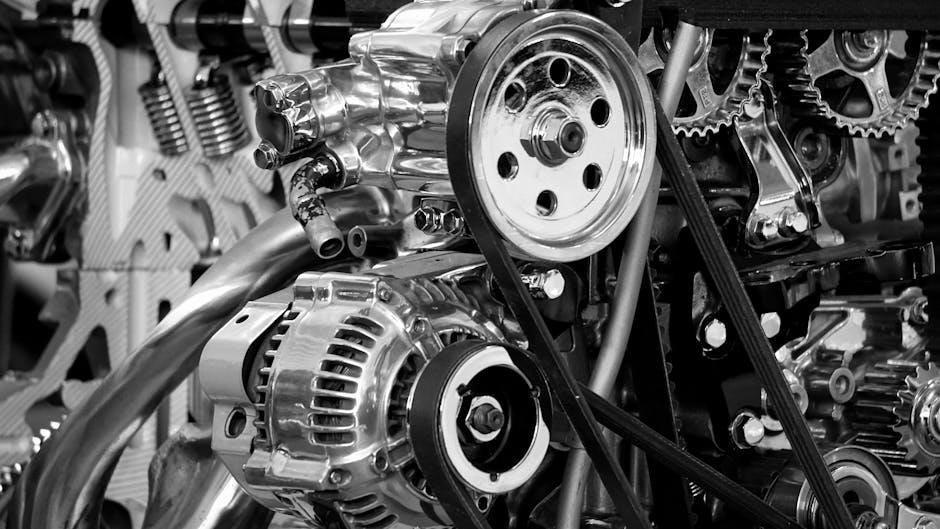
DIY Repair vs. Professional Service
Simple fluid changes are often DIY-friendly‚ saving costs. However‚ complex repairs like synchro replacement or rebuilds typically require a professional’s expertise and tools.
Benefits of DIY Fluid Changes
Performing drain and fill transmission fluid changes yourself offers significant cost savings‚ potentially under $200 using readily available Walmart fluid; It’s a proactive step towards identifying potential issues early‚ as observing the fluid’s condition reveals contamination like the dreaded “pink milkshake” – a sign of coolant mixing. Multiple drain and fills ensure thorough fluid replacement‚ improving transmission health and potentially avoiding expensive repairs down the line. This hands-on approach empowers owners to understand their vehicle better and maintain its longevity.
When to Seek Professional Help
While DIY fluid changes are beneficial‚ complex transmission problems demand professional expertise. If symptoms persist after multiple fluid changes‚ or if you encounter unusual noises‚ difficulty shifting‚ or suspect internal damage like synchro issues or worn shift forks‚ consult a qualified mechanic. Diagnosing these requires specialized tools and knowledge. Ignoring these signs can lead to catastrophic failure and significantly higher repair costs‚ potentially exceeding a transmission rebuild or even replacement.
Specific Problem Areas and Solutions
Common issues include synchro wear‚ worn shift forks‚ and bearing failures‚ often requiring internal transmission rebuilds for effective and lasting solutions.
Synchro Issues and Repair
Synchro problems in the 3rd gen 4Runner manual transmission often manifest as grinding when shifting into specific gears‚ particularly 2nd and 3rd. Repair typically involves a transmission rebuild‚ replacing the worn synchronizers. This is a complex task best left to experienced mechanics due to the intricate internal components. Ignoring synchro issues can lead to further damage within the gearbox‚ increasing repair costs significantly. Proper diagnosis is crucial before disassembly‚ confirming the synchros are indeed the source of the grinding noise.
Worn Shift Forks
Worn shift forks within the 3rd gen 4Runner’s manual transmission can cause imprecise shifting or difficulty selecting certain gears. These forks are responsible for engaging the synchronizers‚ and wear leads to sloppy engagement. Repair necessitates a transmission teardown and replacement of the damaged forks. Often‚ this is discovered during a rebuild for other issues. Inspecting shift fork wear is vital during any transmission service‚ preventing further internal damage and ensuring smooth gear changes.
Bearing Failures
Bearing failures within the 3rd gen 4Runner manual transmission typically manifest as whining or grinding noises‚ especially during acceleration or deceleration. These failures often stem from age‚ contamination‚ or insufficient lubrication. Common culprits include the input shaft bearing and countershaft bearings. Addressing bearing failures requires a complete transmission rebuild‚ involving disassembly‚ inspection‚ and replacement of all worn bearings. Ignoring these sounds can lead to catastrophic transmission damage.
Preventative Maintenance for Longevity
Employing proper shifting techniques‚ avoiding harsh driving‚ and conducting regular inspections are crucial for extending the life of your 3rd gen 4Runner’s manual transmission.
Proper Shifting Techniques
Mastering smooth shifting is paramount for 3rd gen 4Runner manual transmission health. Avoid abrupt or rushed gear changes‚ and fully depress the clutch pedal during each shift. Match engine RPMs to road speed when downshifting to minimize wear on synchronizers.
Don’t “speed shift” or force the gear lever; gentle‚ deliberate movements are best. Release the clutch smoothly after engaging the next gear. Consistent‚ mindful shifting significantly reduces stress on internal components‚ contributing to long-term reliability and preventing premature failures.
Avoiding Harsh Driving
Preserving your 3rd gen 4Runner’s manual transmission requires a considerate driving style. Minimize aggressive acceleration and braking‚ as these place significant strain on the gearbox and clutch. Avoid prolonged high-speed operation and refrain from “dumping” the clutch.
Consistent‚ moderate driving habits dramatically extend the transmission’s lifespan. Reduce the likelihood of bearing failures‚ worn shift forks‚ and synchronizer issues by treating the system with respect. Gentle operation is key to longevity.
Regular Inspections
Proactive inspections are crucial for a healthy 3rd gen 4Runner manual transmission. Routinely check for fluid leaks around the transmission housing‚ driveshaft‚ and differential. Pay attention to the clutch pedal feel – changes can indicate wear. Listen for unusual noises during shifting‚ potentially signaling synchronizer or bearing issues.
Consistent monitoring allows for early detection of problems‚ preventing costly repairs. Inspecting fuses and relays related to the transmission is also a wise preventative measure.
Resources and Forums
Online forums like ih8mud.com and Toyota 4Runner-specific communities offer invaluable insights‚ troubleshooting tips‚ and shared experiences regarding manual transmissions.
ih8mud.com Forum Discussions
The ih8mud.com forum hosts extensive discussions concerning 3rd Gen 4Runner manual transmissions‚ particularly regarding the dreaded “pink milkshake” – contaminated transmission fluid indicating coolant mixing. Threads detail drain-and-fill procedures‚ fluid recommendations (Walmart’s $18/gallon option is often cited)‚ and symptom analysis. Users share repair experiences‚ clutch issues‚ and synchro problems‚ offering a wealth of practical advice; Many recommend multiple fluid changes to ensure complete contamination removal before considering more extensive repairs‚ saving potentially significant costs.
Toyota 4Runner Specific Forums
Dedicated Toyota 4Runner forums provide focused discussions on manual transmission challenges within the 3rd generation. Members routinely share diagnostic steps‚ including fuse and relay checks‚ and leak inspections. Common topics include worn clutch discs‚ master/slave cylinder failures‚ and troublesome synchro issues. These platforms offer detailed repair guides‚ cost estimations for clutch replacements and rebuilds‚ and valuable insights into preventative maintenance strategies for extending transmission lifespan.
Understanding the Transmission Components
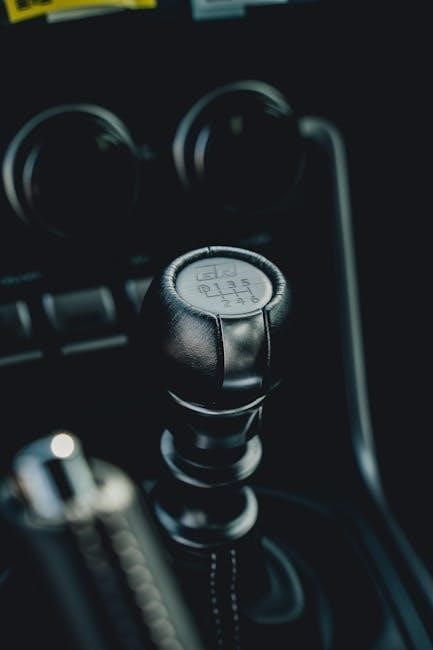
The 3rd gen 4Runner’s manual transmission features intricate gearbox internals‚ directly connected to the differential and transfer case for power delivery and 4WD functionality.
Gearbox Internals
The 3rd generation 4Runner’s manual transmission houses a complex network of gears‚ shafts‚ and synchronizers responsible for transferring engine power to the wheels. These components work in harmony to provide different gear ratios‚ enabling optimal performance across various driving conditions. Synchronizers are crucial for smooth gear engagement‚ while worn shift forks can cause difficulty selecting gears. Bearing failures within the gearbox can lead to unusual noises during shifting‚ potentially indicating a need for inspection and repair. Understanding these internal workings is key to diagnosing and addressing transmission issues effectively.
Differential and Transfer Case Connection
The 3rd Gen 4Runner’s manual transmission seamlessly connects to both the differential and transfer case‚ distributing power to the wheels. The differential allows for varying wheel speeds during turns‚ while the transfer case enables four-wheel drive functionality. Proper alignment and lubrication are vital for these connections‚ preventing premature wear and ensuring efficient power transfer. Issues in either the differential or transfer case can sometimes mimic transmission problems‚ necessitating careful diagnosis to pinpoint the root cause and avoid unnecessary repairs.
Cost of Repairs and Replacement
Clutch replacement averages around $800-$1500. Transmission rebuilds can range from $1500-$3000‚ while a full replacement often exceeds $3500‚ depending on the source.
Average Cost of Clutch Replacement
Replacing the clutch on a 3rd generation 4Runner with a manual transmission typically falls within a broad price range‚ influenced by location‚ parts quality‚ and labor rates. Expect to pay between $800 and $1500 for a standard clutch replacement. This estimate includes the cost of the clutch kit – disc‚ pressure plate‚ and throw-out bearing – alongside labor charges.
However‚ if additional components like the master or slave cylinder require replacement concurrently‚ the overall cost will increase. Using higher-quality aftermarket or OEM parts will also elevate the price. Always obtain multiple quotes from reputable mechanics to ensure a fair assessment.
Transmission Rebuild vs. Replacement Costs
Deciding between rebuilding a 3rd gen 4Runner’s manual transmission and complete replacement hinges on the extent of damage and available budget. A rebuild‚ involving disassembly‚ inspection‚ and component replacement‚ generally ranges from $1500 to $3000‚ depending on the shop and parts needed.
A replacement transmission‚ either used or remanufactured‚ can cost between $1000 and $4000‚ including installation. Used transmissions are cheaper but carry higher risk. Remanufactured units offer a balance of cost and reliability. Consider the overall condition of the vehicle when making your decision.
The 2025 4Runner and Historical Context
The 2025 4Runner continues a lineage starting in 1983‚ evolving from pickup-based SUVs; the 3rd gen’s manual transmission offered a classic driving experience.
Evolution of the 4Runner Lineup
The Toyota 4Runner’s journey began in 1983‚ initially as a compact SUV derived from the Hilux pickup‚ featuring a removable top. Subsequent generations refined this formula‚ balancing off-road capability with on-road comfort. The 3rd generation (1996-2002) notably offered a manual transmission‚ appealing to enthusiasts seeking greater control. This era solidified the 4Runner’s reputation for reliability and adventurous spirit. Later models embraced more luxury and technology‚ yet the core DNA of a rugged‚ capable SUV persists‚ now seen in the 2025 iteration.
Legacy of Pickup-Derived SUVs
The 4Runner proudly carries the torch of pickup-derived SUVs‚ a segment born from practicality and off-road prowess. Early models‚ like the original 4Runner‚ blended truck toughness with passenger comfort‚ offering versatility. The 3rd generation continued this tradition‚ with its available manual transmission enhancing the connection to the vehicle. This lineage emphasizes body-on-frame construction and robust drivetrains‚ traits that endure in the modern 4Runner‚ ensuring a lasting legacy of capability and adventure.
No Responses